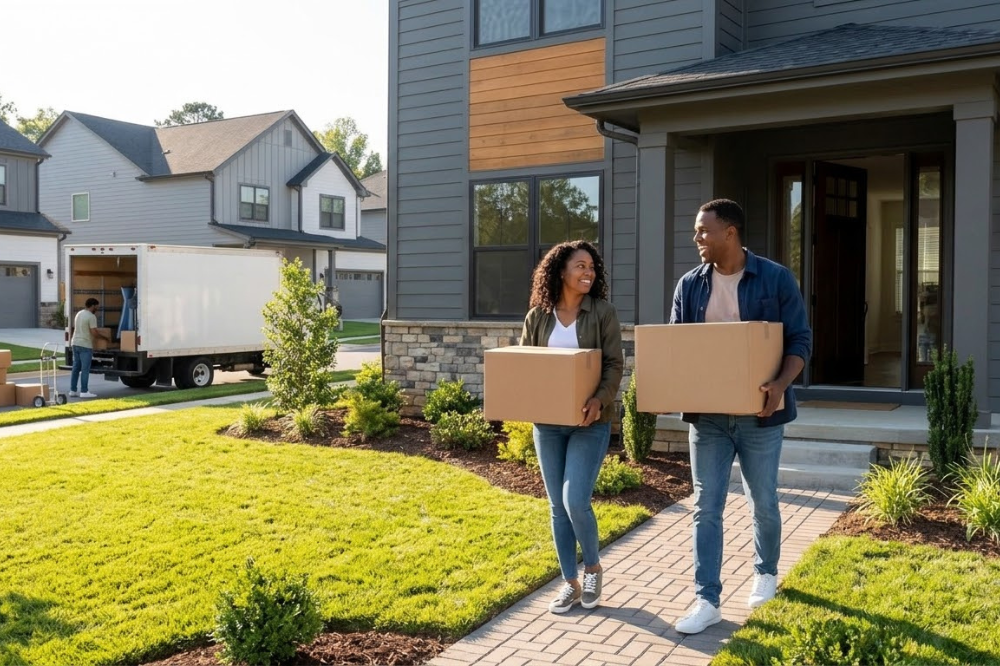
Quick move-in homes in Virginia are new houses that are ready or almost ready for buyers. They offer a faster way to own a home without waiting for a full build. If you're looking at newly built, move-in-ready homes, this guide explains the costs, builder offers, loans, and checks to make before buying.
Table of Contents
What Is a Quick Move-In Home?
A quick move-in home is a new house that a builder has already started or finished. Builders often use popular layouts and finishes instead of waiting for a buyer to choose every detail.
These homes are also called spec homes or inventory homes. But a quick move-in home is not always ready right away. Some still need final work, checks, or approval before the buyer can move in.
Your move-in date depends on the home's stage, the builder's plans, and your contract. Ask what work remains and when you can expect to close.
These homes can suit buyers who want a new house but do not want to wait through the full building process. Our guide to buying a new home explains more about what to expect.
Quick Move-In Homes vs. Traditional New Builds
While both offer the promise of a brand new house, there may be some differences in the purchasing process. A move-in-ready home will most likely be at a more advanced stage of construction compared to a newly built home.
|
Feature |
Quick Move-In Home |
Traditional New Build |
|
Move-In Timeline |
Often around 30 to 90 days, depending on the home's stage and closing process |
Often around 6 to 12 months or longer, depending on the builder and project |
|
Design Control |
Limited; finishes and features are often pre-selected |
More choices may be available for materials, colours, and layout options |
|
Pricing |
The listed price reflects the home's current features, but extra costs may still apply |
The final price can change with upgrades, lot premiums, and other choices |
|
Mortgage Predictability |
Financing can often be arranged closer to move-in, but rate locks depend on the lender |
Longer build times can affect mortgage rate-lock plans |
|
Viewing the Space |
You can often walk through the actual home if construction is complete |
You may need to rely on floor plans, renderings, or a model home before construction is complete |
Note: These are only approximations and may not reflect the actual averages of Virginia. It is always better to check with your builder or contractor about the specific timeline that they follow.
Benefits of Buying a Quick Move-In Home
A quick move-in home may suit buyers who want a new property without a long wait. Here are some benefits to consider.
A Shorter Wait Before Moving
A quick move-in home is already built or nearing completion, so you may avoid months of construction delays. This can help if you need to relocate for work or family. Before planning your move, confirm the expected closing date and whether the required Certificate of Occupancy (CO) has been issued, as Virginia generally requires this approval before a newly built home can be occupied.
A Chance to See the Actual Home
With a completed home, you can walk through the rooms and see the finishes, layout, and outdoor space. This gives you a clearer idea of what you are buying than viewing a floor plan alone.
Ask whether the home you tour is the exact property being sold. A model home may have different finishes or upgrades.
Fewer Decisions During the Build
Many quick move-in homes already have selected flooring, cabinets, fixtures, and other finishes. You may have fewer design choices to make before moving.
If you want to choose every detail yourself, a traditional build may offer more flexibility. Your options will depend on the builder and how far construction has progressed.
Builder Offers May Be Available
Some builders offer incentives on selected homes. These may include help with closing costs, upgrades, or mortgage-related offers through a participating lender.
Offers vary by property and builder. Compare the full price, loan terms, and conditions before deciding whether an incentive gives you real savings.
What to Check Before You Buy
A home that is nearly ready does not mean you should skip important checks. Review the following before signing a contract or paying a deposit.
Check the Home's Completion Status
Ask the builder what work remains and when it should be finished. Confirm whether required inspections have taken place and whether the home is ready for closing.
If construction is ongoing, request a written completion timeline. Ask what happens if the builder misses the expected date.
Review the Price and Included Features
Get the breakdown of the purchase price in writing. Make sure to know what kind of appliances, fixtures, upgrades, landscaping, and other items are included in the sale.
Also, you should ask about any additional costs that may be incurred in addition to the listed price.
For a closer look at the cost differences, read our new home financing and cost guide.
Ask About the Builder's Warranty
Find out what warranty coverage comes with the home. Ask which parts of the property are covered, how long coverage lasts, and how to report a problem after closing.
Read the warranty documents instead of relying only on verbal promises. Keep copies of the contract, inspection reports, and warranty details.
Arrange an Independent Inspection
Even if a home is newly built, consider hiring an independent home inspector. A professional inspection can help identify issues that need attention before closing.
Ask the builder how inspection findings will be handled and whether any repairs must be completed before you move in.
Check the Location and Flood Risk
Look beyond the home itself. Consider your commute, nearby services, road access, and future development in the area.
If you're buying in Norfolk or another coastal part of Virginia, check whether the property is in a flood zone. The City of Norfolk's flood zone information can help you understand local flood risks. You should also ask your insurance provider about coverage and costs for the specific property.
Understanding Builder Incentives
Builder incentives can make a quick move-in home more affordable, but the details matter. The offer may depend on the home, the closing date, or the lender you use. Common offers include:
-
Closing cost assistance: The builder may cover some eligible closing expenses.
-
Upgrade packages: Selected finishes, appliances, or features may be included at a reduced cost or at no extra charge.
-
Mortgage offers: A builder may work with a lender to offer a temporary rate reduction or other financing incentive.
-
Price adjustments: The builder may reduce the listed price on selected homes.
Before accepting an offer, ask for its terms in writing. Check whether you must use a specific lender or title company, meet a closing deadline, or qualify for certain loan terms.
Compare the offer with the home's total cost and the terms available from other lenders. A lower advertised rate or free upgrade does not always mean the deal costs less overall.
For more details about the closing process, read our guide on what to expect when closing on new construction.
Financing a Quick Move-In Home
Buying a quick move-in home still requires careful financial planning. Even if the house is ready, you need to arrange a mortgage, review the costs, and prepare for closing.
Get Pre-Approved for a Mortgage
A mortgage pre-approval can help you understand how much you may be able to borrow. Lenders review details such as your income, debts, credit history, and available funds.
Pre-approval is not a final loan approval. Your lender will still need to review the property and complete the required steps before closing.
Understand Mortgage Rate Locks
Mortgage rates can change before closing. A rate lock can keep your interest rate from changing for a set period, as long as you meet the lender's terms and close within that period.
The Consumer Financial Protection Bureau explains how mortgage rate locks work. Ask your lender when you can lock your rate, how long the lock lasts, and whether extending it would cost extra.
review
A quick move-in home may allow you to plan financing closer to closing, but it does not guarantee a rate lock or a fixed interest rate.
Compare the Full Loan Cost
Avoid making comparisons based solely on the interest rates of mortgages. Consider factors such as the calculated monthly payment, lender’s fees, closing costs, down payments, and the terms that come with incentive programs offered by builders.
If a builder offers a mortgage incentive through a preferred lender, compare that loan with other available offers. This can help you judge whether the incentive suits your budget.
How to Find Quick Move-In Homes in Virginia
Finding a suitable home takes more than searching for properties that are marked as ready to move in. You also need to compare the location, price, features, and expected closing date.
Search by Location and Budget
Start with the areas where you want to live. Think about your commute, nearby schools and services, and the type of neighbourhood you prefer.
You can explore Norfolk VA homes for sale to learn more about local property options. Compare the listed price with your budget, including taxes, insurance, closing costs, and any community fees.
Look at New Construction Options
Some builders list completed homes or properties that are close to completion. Ask which homes are available now and which still need construction work.
You can also learn more about why buyers choose new build homes. This can help you compare the benefits of a new home with your needs and budget.
Work With a Local Real Estate Agent
A local agent can help you compare properties, review listing details, and understand the steps involved in buying a new home. They can also help you prepare questions about builder contracts, included features, and closing dates.
Before making a decision, confirm important details directly with the builder and your lender. Get any promises about price, features, incentives, or completion dates in writing.
Understand Local Market Activity
New home construction data can provide context about housing activity, but it does not show how many quick move-in homes are available to buy.
According to the Home Builders Association of Virginia's second-quarter 2026 report, Virginia localities issued permits for 11,137 new homes in Q2 2026, up 37.1% from the same quarter in 2025. This included both single-family and multifamily homes.
Building permits do not mean that the homes are complete or available for immediate purchase. Check current listings and confirm availability with the builder before making plans.
Ready to Find a Quick Move-In Home in Norfolk?
Talk to Sarah Wood Bigler about your budget and what’s available and find a home that suits you. Browse our homes for sale in Norfolk and start the process of finding your new home.