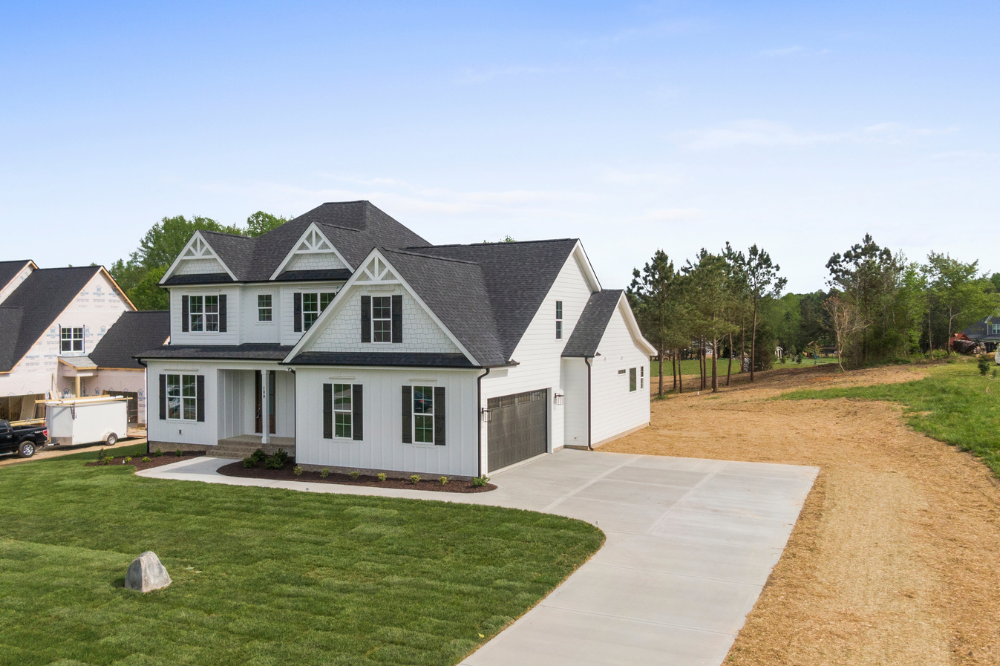
Buying a new construction home in Norfolk sounds exciting - until you realize how different the process is from buying a resale property. Between builder contracts, flood zones, upgrade costs, and financing timelines, small mistakes can quickly become expensive ones.
The Norfolk housing market moves fast, with limited resale inventory in established neighborhoods and growing demand along the waterfront and beyond. As a result, more buyers are turning to new construction for modern finishes, energy-efficient systems, and builder warranties.
This guide breaks down exactly what Norfolk buyers need to know before signing with a builder, so you can move forward with confidence.
When you buy new, you are not inheriting someone else's choices or deferred maintenance. You choose the floor plan, finishes, and upgrades. Everything from the roof to the appliances starts fresh, which keeps maintenance costs low in the early years.
📊 Stat to Know: According to NAR's 2025 Profile of Home Buyers and Sellers, 16% of home buyers purchased newly constructed homes, the highest share since 2006 - driven largely by the desire to avoid renovations and start fresh. In competitive coastal markets where resale inventory remains tight, that appeal is only growing.
Builders also offer incentives that resale sellers rarely match - mortgage rate buydowns, free upgrades, and closing cost assistance are all on the table, especially in a buyer-friendly market.
Step 1: Understand The Types Of New Construction Homes
In Norfolk, new construction homes fall into three main categories:
If you plan to move within the next 60–90 days, a move-in-ready home is often the most practical option. Buyers with more flexibility may prefer a semi-custom or fully custom home for greater personalization and control over the finished home.
Step 2: Work With A Real Estate Agent Who Knows New Construction
Many buyers assume they do not need representation when purchasing from a builder. That assumption can be an expensive mistake.
Builder sales representatives work for the builder- not the buyer. An experienced real estate agent can help you understand contract terms, evaluate upgrade options, review important timelines before signing, and identify details first-time new construction buyers often overlook. In the Norfolk property market, factors like flood zone designations, proximity to Naval Station Norfolk, school districts, and future development plans can all impact a home’s long-term value.
Step 3: Explore Your Financing Options Early
New construction financing works differently than a standard purchase loan. The three most common paths are:
Construction-to-Permanent Loan: Covers the build and converts into a traditional mortgage at completion. Only one closing is required.
Construction-Only Loan: Finances the build but must be paid off or refinanced once the home is finished. Involves two closings and potentially higher costs.
Builder-Preferred Lender: Most builders have a preferred lending partner and offer meaningful incentives - rate buydowns, free upgrades, closing cost contributions to buyers who use them. Always compare this offer against an independent lender before deciding.
Get pre-approved early, factor in lot premiums and upgrade costs when setting your budget, and ask about rate lock options if your build is 6+ months out.
Step 4: Choose The Right Location
In a coastal city like Norfolk with active flood zone management and ongoing waterfront development, where you buy matters as much as what you buy.
-
Flood zones: Always verify FEMA flood zone status for any lot you seriously consider. Flood insurance premiums can add significantly to your annual costs and affect future resale.
-
Proximity to employment: The region’s largest employers include a major naval installation, leading healthcare networks, and a growing technology sector. Shorter commutes translate to real quality-of-life gains.
-
Future development: Your agent can pull zoning and development plans for areas around your community. A peaceful lot today could sit beside a retail corridor in five years.
-
Neighborhood amenities: Walkability, park access, and proximity to everyday conveniences all affect both lifestyle and resale value.
Step 5: Research And Select Your Builder
Your builder determines the quality of your home for decades. Do not rush this step.
What to Research
-
Reviews and reputation: Look for patterns across multiple platforms. Consistent complaints about craftsmanship or communication are serious red flags.
-
Warranty terms: A reputable builder offers a 1-year workmanship warranty, 2-year systems coverage, and a 10-year structural warranty. Make sure all warranty details are clearly provided in writing for added peace of mind.
-
Model homes: Tour them in person. Pay close attention to how finishes are applied, how doors and windows operate, and the overall attention to detail.
Questions to Ask Every Builder
-
What is standard and what is an upgrade?
-
What is the realistic timeline from contract to closing?
-
How will you communicate with me throughout the build?
-
How do you handle punch list items after closing?
Step 6: Budget Beyond The Base Price
The advertised price is rarely the final price. Before you sign, ask your builder for a clear breakdown of every potential add-on cost, including:
-
Lot premiums (corner, waterfront, or cul-de-sac lots cost more)
-
Structural upgrades such as bonus rooms or additional bedrooms
-
Interior finish selections; cabinets, flooring, countertops, and fixtures, which builders typically price as upgrades above their standard inclusions
-
Landscaping, which is often excluded from the base price entirely
-
Closing costs, which the CFPB estimates typically range between 2%-5% of the loan amount
Walk into every builder conversation with a firm budget and a ranked list of priorities. It is very easy to overspend once you start customizing.
Step 7: Review The Builder's Contract Carefully
Builder contracts protect the builder. Before you sign, understand the construction timeline and delay contingencies, change order costs, price escalation clauses, and what happens to your deposit if you cancel. Have your buyer's agent- and ideally a real estate attorney to review every page before you commit.
Step 8: Schedule Independent Inspections
Phase Inspections to Consider
New homes still have defects. An inspection during the framing stage before drywall covers everything, can catch structural or systems issues while they are still easy to fix. A final inspection before closing ensures everything on your punch list is documented and your builder is held accountable.
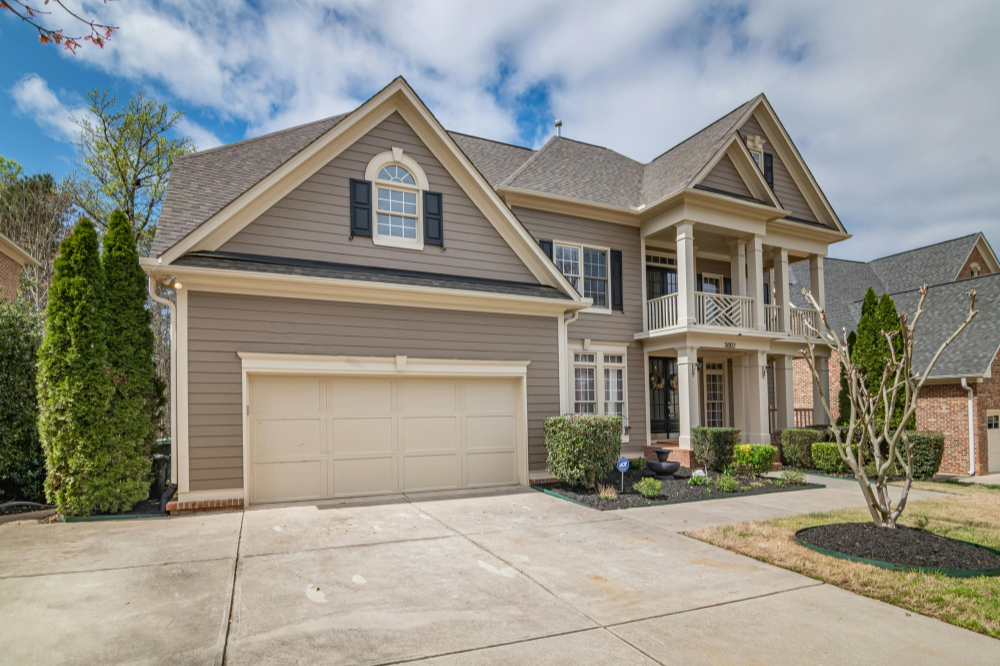
📊 Stat to Know: According to the U.S. Census Bureau's Survey of Construction, the South which includes Virginia- accounts for the largest share of new residential construction in the country, meaning builders are moving fast and independent oversight matters more than ever.
City code inspectors work for the city, not for you. Your independent inspector works only for you.
Step 9: Conduct A Thorough Final Walkthrough
One to two weeks before closing, walk through the completed home with your builder's representative. Verify every agreed-upon upgrade is in place, all appliances and systems work correctly, doors and windows operate and lock properly, and grading slopes away from the foundation. Document everything in a punch list with written confirmation of resolution timelines.
Step 10: Close With Confidence
Review your Closing Disclosure line by line, confirm all punch list items are documented, verify warranties are in writing, and make sure homeowner's insurance is active before closing day. Once the paperwork is signed, the home is yours.
Ready To Find Your New Construction Home? We Are Here To Help.
At Coastal View Realty, we know the houses for sale in Norfolk inside and out, the neighborhoods, the builders, the flood zones, and the market trends that matter most to buyers. Our team provides 100% buyer-focused representation with no ties to any builder, which means our advice is always in your best interest.
We guide you from your first builder tour all the way through closing, helping you negotiate smarter, avoid costly contract pitfalls, and find the right home in the right location for the right price. And we back that guidance with tools that give you a real edge: our listings are updated every 15 minutes from the official Realtor® database, so you are always working with the freshest data available. Use our Interactive Map Search to explore properties by drawing your own boundaries on the map, or create a custom market report to see what is active, under contract, and recently sold in any neighborhood before you commit.
Ready to explore real estate in Norfolk, VA? Contact us today for a free consultation and let's find the new construction home you deserve.
Sources: U.S. Census Bureau & U.S. Department of Housing and Urban Development, New Residential Sales Data; FEMA National Flood Insurance Program.