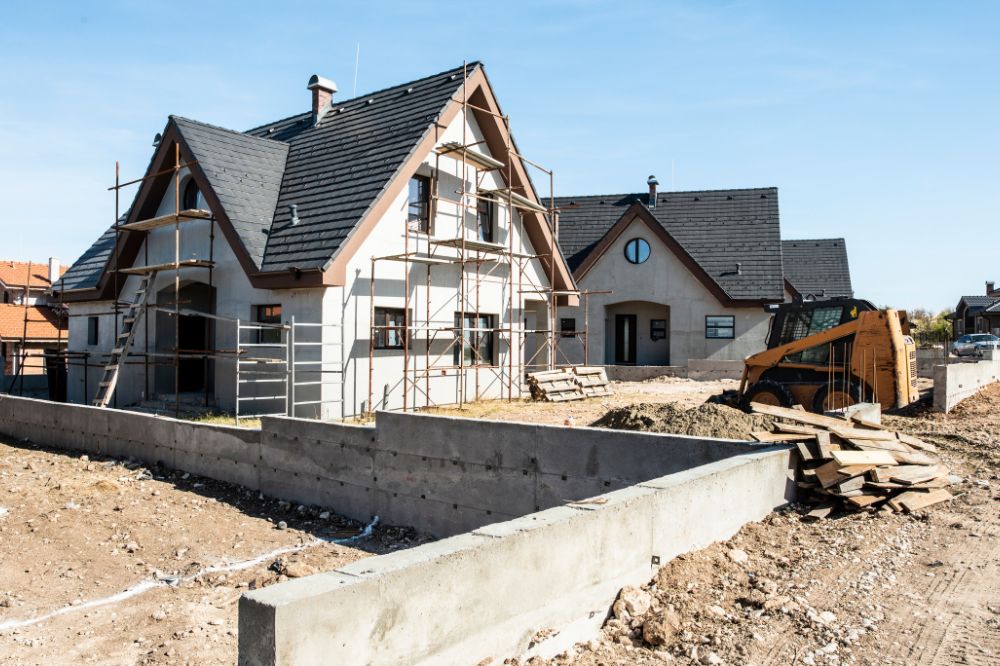
You've picked the lot, chosen the finishes, watched the framing go up, and finally, the builder calls with the words you've been waiting months to hear: "You're ready to close." It's an exciting moment, but it can also feel like standing at the edge of a maze. Closing on a new construction home purchase isn't quite like closing on a resale property. There are extra inspections, a final walkthrough, builder-specific paperwork, and sometimes last-minute surprises that catch buyers off guard. Here in Norfolk, where new development continues to pop up in pockets across the city, more buyers are navigating this process for the first time. The good news? Once you know what's coming, closing day stops feeling like a mystery and starts feeling like the finish line it actually is.
Let's walk through exactly what happens between "almost done" and "welcome home."
New Construction vs. Resale Closings: What's Different
If you've closed on a home before, some of this will feel familiar, and some of it won't. Understanding the differences upfront can help you know what to prepare for at each stage.
The biggest mindset shift is patience. A resale closing date rarely moves once it's set, but new construction timelines are tied to the pace of the build itself, which means a little flexibility goes a long way.
.jpg)
The Weeks Leading Up to Closing
Before you ever sit down at the closing table, there's a runway of steps that sets the stage for a smooth transaction.
1. The Builder Sets a Closing Date
Once construction nears completion, your builder will provide an estimated closing date, then a firm one once the certificate of occupancy is close to being issued. This date can shift due to weather, material availability, or inspection scheduling, so it's wise to stay flexible in the final stretch.
2. The Certificate of Occupancy (CO)
Local building officials must inspect the home and confirm it meets code before it's legally habitable. This document, the certificate of occupancy, is a prerequisite for closing. No CO means no closing, so builders typically won't set a hard date until this is well in motion.
3. Final Loan Approval
If you are financing the purchase , your lender will need an updated appraisal (since the home didn't exist when you first applied) and will re-verify your income, credit, and employment shortly before closing. This is not the moment to open a new credit card or finance a car.
4. The Pre-Closing Walkthrough
Usually scheduled a few days before closing, this walkthrough is your chance to inspect the finished home with a punch list in hand. Bring a notepad, a flashlight, and test everything:
-
Every light switch, outlet, and ceiling fan
-
All faucets, drains, and the water heater
-
Windows and doors for smooth operation and locks
-
HVAC system, including heating and cooling modes
-
Appliances, garage door openers, and smoke detectors
-
Paint, flooring, and countertops for cosmetic defects
Any issues you find get documented on a punch list, which the builder agrees to complete before or shortly after closing.
.jpg)
Closing Day: What Actually Happens
Closing day itself typically takes place at a title company, attorney's office, or the builder's on-site closing office. Here's the general flow.
Reviewing and Signing Documents
Expect a substantial stack of paperwork. Take your time reading it; a rushed signature is how buyers miss important details.
Common documents include:
-
Closing Disclosure – outlines your final loan terms and closing costs
-
Deed – transfers ownership of the property to you
-
Builder's limited warranty – details what's covered and for how long
-
Homeowners association (HOA) documents, if applicable
-
Loan documents, including the mortgage note and deed of trust
Funding the Purchase
You'll need to bring your down payment and closing costs, usually via a cashier's check or wire transfer, exactly as instructed by the title company (never rely on wiring instructions received solely by email, always confirm by phone). Once funds are received and documents are recorded, ownership officially transfers to you.
Getting Your Keys
After recording, you'll receive keys, garage remotes, and any warranty paperwork or appliance manuals. This is also when your builder should hand over a home orientation guide explaining maintenance schedules and warranty claim procedures.
Questions Worth Asking Before You Sign
A little curiosity at this stage can save headaches later. Consider asking your builder or agent:
-
What exactly is covered under the warranty, and for how long?
-
Who do I contact for repairs after move-in, and what's the response time?
-
Are there any outstanding permits or inspections still pending?
-
Is the punch list fully documented in writing, with agreed-upon completion dates?
-
Will landscaping, driveways, or community amenities be finished after I move in?
-
Has a boundary survey been done to confirm fences, driveways, and other improvements sit within the property lines?
Getting clear answers before closing day means fewer surprises once you're settled in.
Typical New Construction Closing Costs
Closing costs on a new home can differ from a resale purchase, especially since some fees (like impact fees or utility connections) are unique to new construction. Here's a general breakdown of what buyers commonly encounter:
Costs vary by builder, lender, and municipality, so always request a line-item estimate early rather than waiting until the final Closing Disclosure.
Tips for a Smoother Closing Experience
-
Get pre-approved early and keep your financial situation stable through closing.
-
Don't skip the walkthrough. Punch lists exist for a reason, and it's much easier to get repairs done before you sign than after.
-
Read your builder's warranty carefully. Structural, systems, and cosmetic items often have different coverage periods.
-
Ask about utility transfers so services are active the day you move in.
-
Keep copies of everything, including inspection reports, warranty documents, and receipts for any upgrades.
-
Consider an independent inspection in addition to the builder's own quality checks; a fresh set of eyes sometimes catches details that are easy to overlook.
-
Plan your move-in logistics early, especially if your closing date has shifted once or twice, so you're not scrambling to coordinate movers or lease overlap at the last minute.
.jpg)
Common Reasons for Delays
Even well-managed builds can hit snags. Common causes include:
-
Weather-related construction delays
-
Supply chain issues affecting materials or appliances
-
Delayed municipal inspections or permit approvals
-
Lender processing delays, especially with appraisals
-
Outstanding punch-list items not yet resolved
Staying in close communication with your builder and lender during this period is the best way to catch potential delays early.
Bringing It All Home
Closing on new homes involves more moving parts than a typical resale transaction, but none of them are difficult once you know what to expect. A thorough walkthrough, a clear understanding of your closing costs, and open communication with your builder and lender will carry you through to move-in day with far less stress.
Here at Coastal View Realty, we're proud to call Norfolk home, and we've guided countless Hampton Roads buyers through the new construction process, from touring available projects to navigating closing day paperwork. Our team knows the local builders , the permitting timelines, and the questions worth asking before you sign. If you are considering a newly built home in Norfolk, Virginia Beach, Chesapeake, or the surrounding areas, we'd love to help you move forward with confidence.
Ready to explore new construction opportunities in Hampton Roads? Contact us today or call (757) 720-2327 to get started.