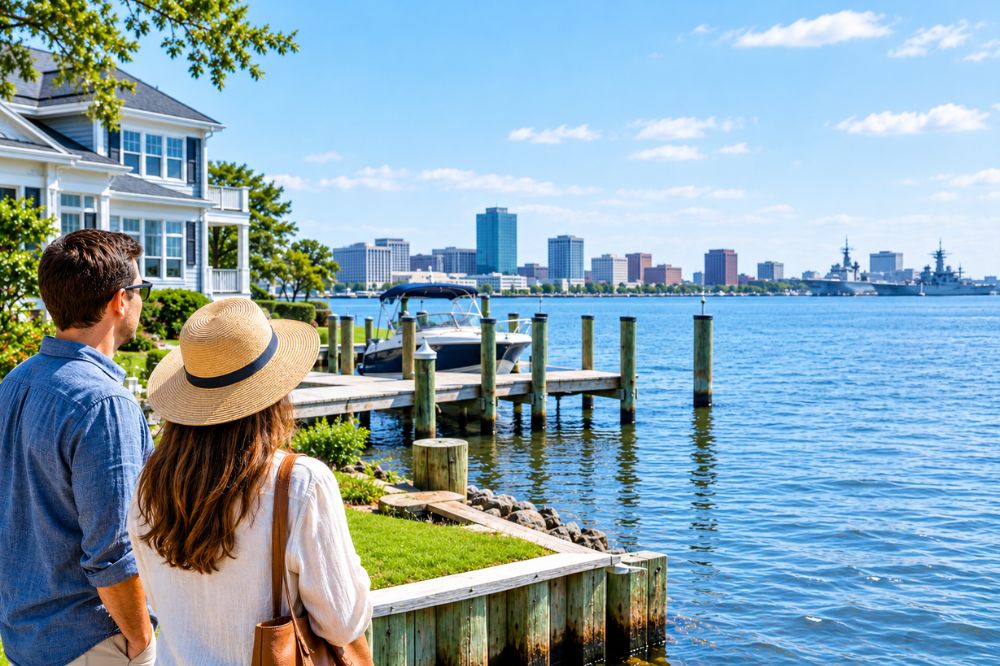
Buying a home in Norfolk, VA, with a dock or bulkhead takes more than finding a house with a water view. The dock needs to suit your plans, the shoreline needs to be in good shape, and the property may come with rules that affect how you use the water.
Flood insurance, repairs, and regular upkeep can also add to the cost of owning a waterfront home. Knowing what to check can help you compare properties and avoid unexpected expenses.
Our realtor for new home buyers can help you navigate the purchase and identify questions that need answers before you commit.
How We Help Buyers Assess a Norfolk Home With a Dock or Bulkhead
We help buyers consider how a home's waterfront features fit their plans and budget. Some issues, such as dock safety and bulkhead damage, need a closer look from a qualified specialist.
Dock Access, Condition, and Intended Use
First of all, think about what you will be doing around the dock. For example, you might be fishing or keeping a boat at the site. It is important that the dock is suitable for your needs.
One of the main factors is the depth of the water. Your boat might be safe from obstacles during high tide, but it might not be during low tide. Find out information about local tides and the size and draft of your boat. This will help you understand whether the dock is right for you or not.
Also, you should pay attention to the condition of the dock. If there are some loose boards or other similar problems, this does not necessarily mean that the dock is dangerous. However, it requires further investigation.
A marine contractor can assess its structure and estimate the cost of any needed repairs. This gives you a clearer idea of possible expenses before you buy.
Also, confirm which waterfront features are included in the sale. Do not assume that a boat lift, dock equipment, or other items will stay with the property unless the sale documents say so.
Bulkhead Condition and Shoreline Responsibilities
The bulkhead prevents the soil from moving at the edges of the water body. Failure of this wall can cause harm not only to the garden but also to other buildings that are close to it. It is also expensive to fix.
Look for leaning sections, cracks, gaps, loose boards, or soil washing away near the wall. Water collecting behind it may also need further review. These signs do not always mean the bulkhead has failed, but they should not be ignored.
A qualified waterfront contractor can assess the structure and explain whether repairs are needed. Ask for a written estimate if work is recommended so that you can factor the cost into your decision.
The location of the property boundary line is relevant as well. The bulkhead might be located on the property belonging to the house owner, while part of the coastline belongs to another person. A property survey will reveal the extent of the lot, but not necessarily the legal rights to the waterfront.
If the bulkhead is shared with a neighbour, find out who pays for repairs and upkeep. Do not assume that costs will be split evenly unless an agreement confirms this.
Waterfront Permits and Future Changes
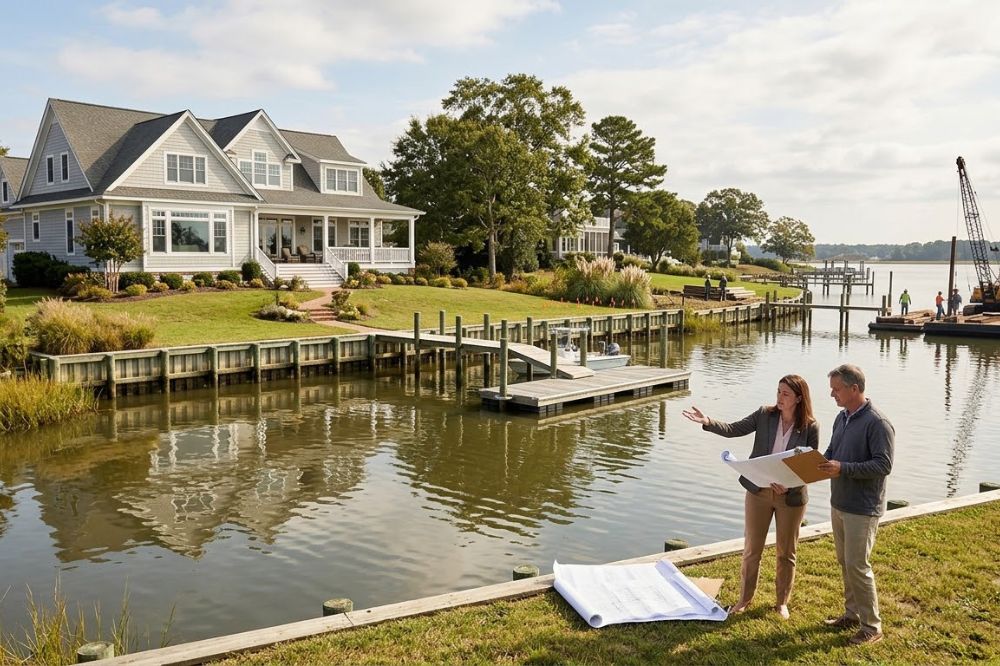
Just because you have a dock or bulkhead doesn’t mean that you can do whatever you want with it. There may be regulations that apply to your maintenance work, alterations, and shore activities. It depends on where your property is located and what you intend to do.
Norfolk has specific shoreline rules for structures on city-owned land around its reservoirs. Under the city's Shoreline Protection program, permits for these structures do not transfer to a new owner. However, Norfolk's ordinance allows subsequent purchasers 30 calendar days after purchase to apply for a new permit. Buyers should contact the city before closing to confirm the application requirements and ensure they meet the deadline.
These rules do not apply to every private waterfront home in Norfolk. Review the property survey and find out who owns the land near the water. Then ask the relevant city office which rules apply to that property.
If you plan to extend a dock, replace a bulkhead, or add another structure, confirm the permit requirements before making plans. State rules may also apply to work near the water. The Virginia Code on submerged lands provides information on laws that may affect waterfront property.
What Norfolk's Flood Risk Means for Ownership Costs
Norfolk faces flooding from coastal water and heavy rain. The level of risk varies by property, so check the home's flood information before deciding what it will cost to own.
Property-Level Flood Information and Insurance
Start with Norfolk's Flood Zones resource. The city provides access to a tool that lets you look up flood information by property. Elevation certificates may also be available for some homes.
You can check the federal FEMA Flood Map Service Center as well. Flood maps show a property's mapped flood zone, but they cannot predict every flood or show every possible source of water damage.
If an elevation certificate is available, review it with the other property records. It provides details about the home's height in relation to expected flood levels. You should also ask the seller about known flooding, water entry, and flood-related repairs.
Flood insurance is another cost to consider. If a home is in a high-risk flood zone and the mortgage is covered by federal flood insurance rules, the lender will generally require flood insurance. Other homes may not face the same requirement, but they can still suffer flood damage.
Ask the insurer to give you a quotation for that particular property. Do not depend on the insurance rate of the seller because your premiums can be different. Homeowners’ insurance does not usually provide cover against floods, and therefore, you will need to buy an additional flood insurance.
A lower-risk flood zone does not mean there is no risk. Use the maps, property records, and insurance quotes together when comparing homes.
Comparing Waterfront Homes Beyond the Asking Price
The asking price does not show the full cost of owning a home. To compare properties fairly, look at the likely expenses for each one:
-
Repairs: Use contractor estimates for any dock or bulkhead work.
-
Insurance: Compare quotes for each property.
-
Upkeep: Allow for routine care of waterfront structures.
-
Planned changes: Check whether permits or approvals could add costs.
-
Property limits: Make sure the dock and shoreline suit your plans.
For example, a lower-priced home may need major bulkhead repairs, while a more expensive one may need less work soon after closing. Comparing estimates and insurance quotes can help you see which option better fits your budget.
Your plans will also play a role here. If you intend to keep a boat at the dock, then depth of water and accessibility may become important considerations. In case you wish to modify your dock in the future, then permits and costs will become important considerations.
If you are also considering a new home, compare its features and expected upkeep with those of an existing property.
Our guide to home values in Norfolk offers more information on comparing new and resale homes. You can also explore new construction homes in Norfolk if you are weighing that option.
Finding the Right Waterfront Home in Norfolk
The right house for you is the one which suits your lifestyle, budget and expectations regarding the water. Before making an offer, you should know the limitations, possible costs and regulations related to the use of the dock or shoreline.
Coastal View Realty helps buyers compare properties and navigate the home purchase process. Start by browsing our Norfolk, VA waterfront homes to explore available properties.
You can also view Norfolk, VA homes for sale or use our home buying resources to learn more about the process.